

Mulch is supposed to help your landscape, not hurt it.
But every spring you can drive through neighborhoods and see the same thing happening again and again. Trees buried under tall piles of mulch. Plant beds packed down with thick layers that look more like dirt mounds than garden beds. It may look neat for a moment, but over time it quietly does damage and in the long run, it is usually severe.
Many landscape problems could be avoided if we simply followed the example that ‘Mother Nature’ has been setting for millions of years. In forests and natural areas, plants grow surrounded by a thin layer of fallen leaves, pine needles, and other organic matter. It stays loose, it breaks down slowly, and it protects the soil without suffocating the plant.
Mulch in our gardens, and around our trees should work the same way.
Follow Nature’s Example
In nature, mulch never forms a heavy mound around the base of a plant. Leaves and pine needles fall, break down, and create a light layer over the soil. Air and water can pass through it easily. Roots stay cool, roots stay protected, and the health of the soil improves.
When we mulch our landscapes, the goal should be to mimic the natural process. Mulch should sit lightly on top of the soil, not packed down and not piled high against stems or trunks.

How Much Mulch Is Too Much?
A good rule of thumb is simple.
Mulch should usually be one to three inches deep, depending upon the plant requirements along with the environment in which it is located.
It should be light and fluffy, not compacted. When mulch gets too deep, it traps too much moisture around the base of plants and blocks airflow to and from the soil. Over time, that can lead to rot, disease, and weakened roots.
Too much mulch can slowly stress plants until they begin to decline and the damage often happens so gradually that people do not realize the mulch was the cause. Unfortunately, once the damage has become visible the plant is in a ‘death spiral’ and can not be brought back to good health.
The Problem With Mulch Volcanoes
One of the most common mistakes that we see in the landscapes is when someone creates ‘mulch volcanos’ at the base of their trees and shrubs. A ‘mulch volcano’ is when mulch is piled high against the trunk of a tree or the stems of shrubs. It may look tidy at first, but it creates the worst possible environment for the plant.
Constant moisture around the trunk encourages decay as the bark of a plant is typically meant to stay dry and exposed to air. There is another issue too, thick layers of mulch piled around plants creates the perfect housing for pests. Mice, voles, and even rats love these warm protected spaces and once they settle in, they often chew on stems and bark. Over time, the damage becomes so severe that they damage the plant so much that it often succumbs.
In trying to help the landscape, people accidentally build a small home for the very things that harm it.

A Word About Dyed Mulch
Dark dyed mulch has become very popular because it creates strong contrast and makes planting beds appear clean. But in many cases, it creates more problems than benefits.
One of the main purposes of mulch is to help keep the soil cool and hold moisture in the ground. Regardless of the color, very dark mulch absorbs heat and can warm the soil more than natural mulch would. That extra heat increases water loss and can stress plants during warmer months. It can also attract certain insects that thrive in warmer soil and air and may not be present if it were not for the artificial micro climate that dyed mulches can help create.
Natural mulch tends to behave more like the organic material plants would experience in the wild. It breaks down gradually, improves the soil, and helps regulate temperature without creating unnecessary stress.
Let the Landscape Breathe
Mulch is still one of the best tools we have for maintaining healthy landscapes. When used properly, it protects roots, helps retain moisture, and improves soil and all the beneficial microorganisms that our plants need, as it slowly decomposes. But like many things in landscaping, more is not always better.
A thin, natural layer works best. Let the soil breathe, the water flow and the air circulate, and your plants will, naturally, stay healthier over time. When landscapes are cared for with that balance in mind, the results are simple and lasting. Don’t create, or allows others to create for you, avoidable problems by incorrect mulching as it damages your plants and your wallet.
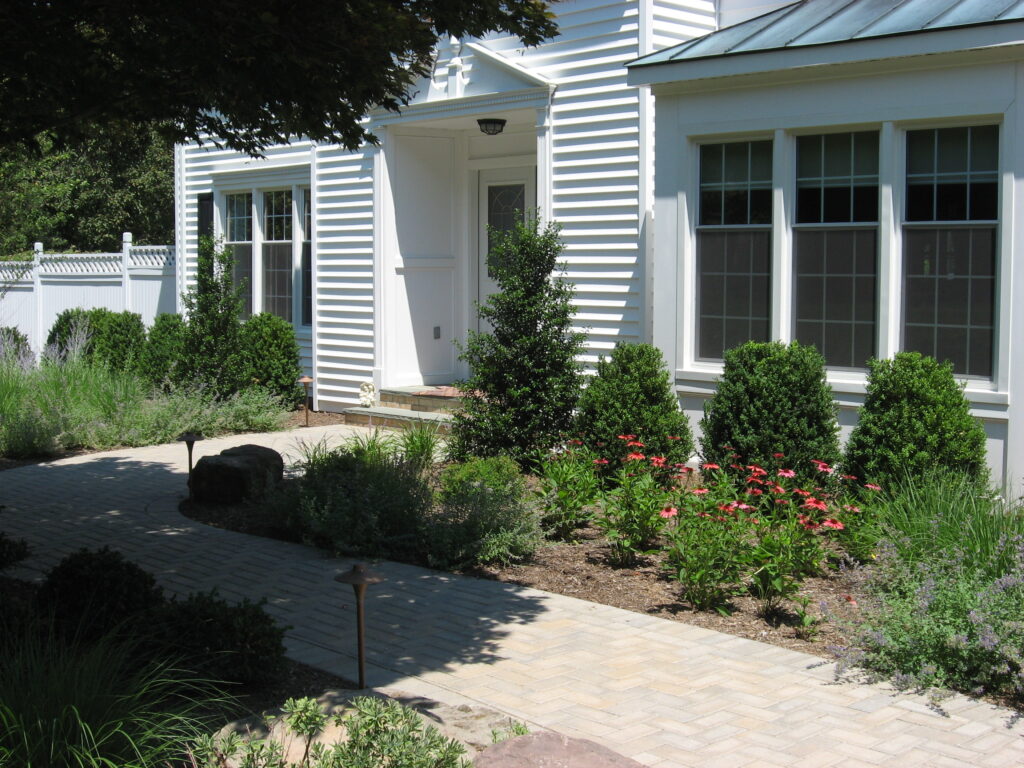
Remember that if we allow gardens to grow, and evolve, as ‘Mother Nature’ has intended they will provide greater joy and greater beauty while simultaneously cutting down on supplemental fertilizers, water, and pesticide applications. Follow ‘Mother Natures’ lead and not only will you and your plants be happier but our shared earth, with its limited resources, will breathe a sigh of relief and be happier as well!
If you’d like to talk about your lawn, plantings, or your landscape in general, feel free to reach out. We would love to be your partner of choice to help make your dream become a reality!