
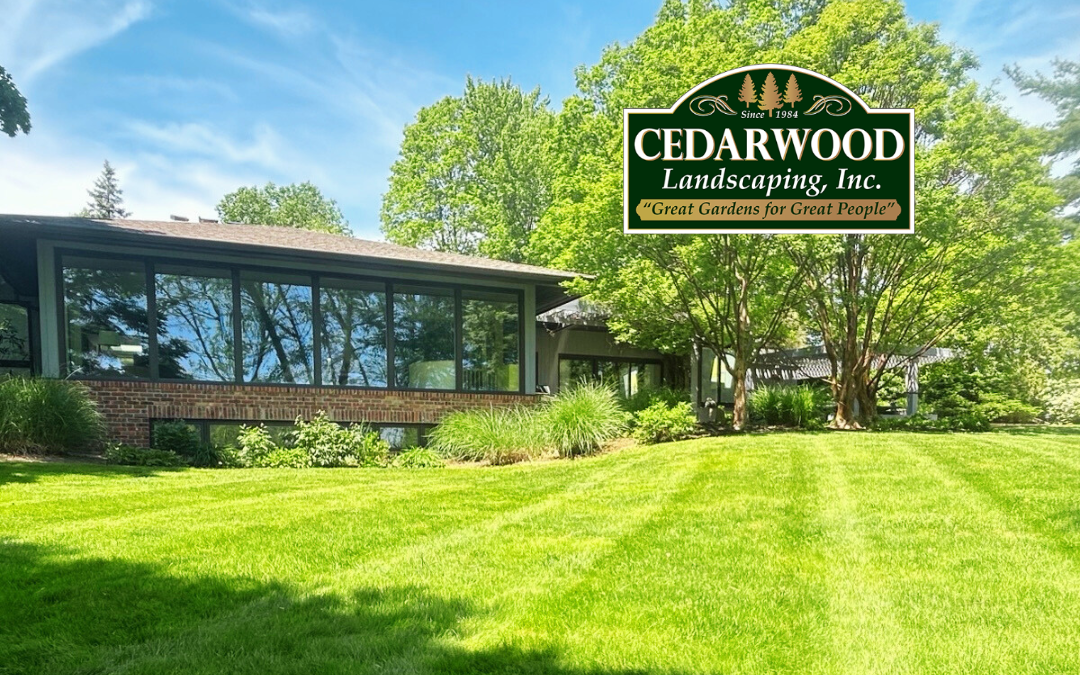
If you look at the healthiest lawns in any neighborhood, there is usually one thing they all have in common, consistency. It is not always about having the newest equipment or using the most expensive products. The difference is usually steady, low impact, care that receive week after week, season after seasons. These are the lawns that tend to grow thicker, greener, and stronger without an overreliance of any type of supplemental application be it water, fertilizer, insecticide, or fungicide.
As we move into the 2026 season, this philosophy matters more than ever. Weather patterns have become less predictable, summers are becoming harder on turf, and lawns that are neglected struggle to recover later.
A healthy lawn is built through consistent care.

Lawn Health Starts Early in the Season
In New Jersey and throughout the Northeast, lawn care really begins in early spring. This is when the soil begins warming and grass slowly wakes up from winter dormancy. At the same time, weed seeds like crabgrass are preparing to germinate beneath the surface.
Consistent lawn care during this time helps set the stage for the entire growing season. Early treatments, proper mowing, and careful observation help prevent many of the problems homeowners deal with later in the summer.
Without that early attention, lawns often begin the season already struggling and trying to mitigate the problem once it has become established is usually expensive, time consuming and not as successful as we all wished it would be.
Proper Mowing Encourages Stronger Grass
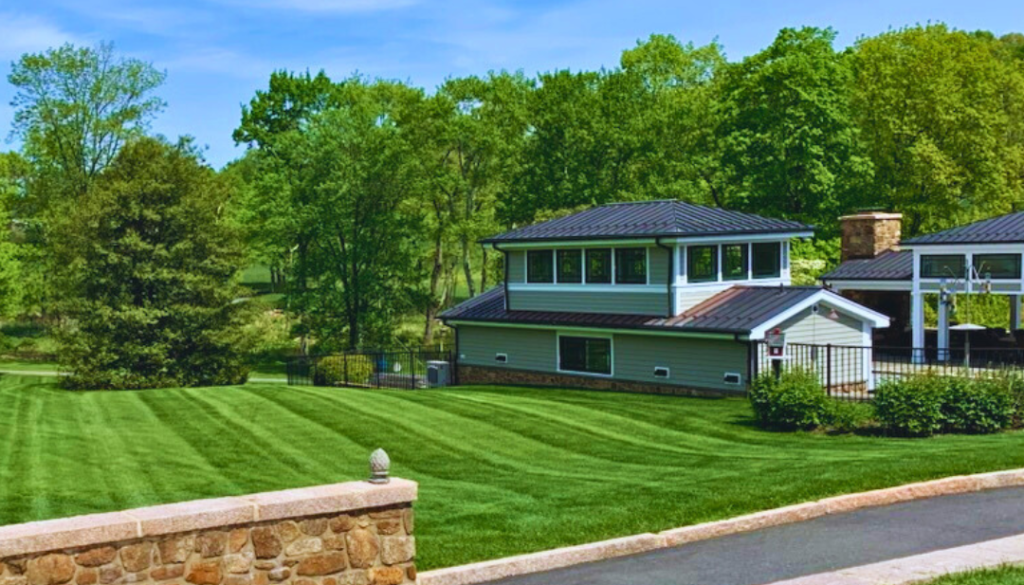
Many homeowners think mowing is simply about keeping the lawn looking neat. In reality, mowing plays a major role in the health of the turf and is perhaps the largest issue causing problems for lawn health. Grass should be cut, only as needed and at the correct height, allowing it to grows thicker and develop a stronger root system. This helps it crowd out weeds and tolerate heat stress during the summer months. It also helps to naturally mitigate the effects of drought.
Improper mowing often causes the lawn to become stressed. Cutting grass too short after it has grown too tall can weaken the plant and leave the soil exposed just as cutting grass to short during hot and dry periods can leave grass nutrient and water starved, leading to death of the of plant.
A proper mowing schedule allows lawns to grow evenly and remain healthy throughout the season, no matter what ‘Mother Nature’ throws at you!
Weed Control Requires Proper Timing
Weeds do not wait until they are visible to begin growing. Many of the most common lawn weeds begin germinating early in the spring. Crabgrass, for example, develops from seeds that sprout when soil temperatures begin to rise.
Consistent lawn care includes implementing proper cutting techniques and applying treatments, as directed by the manufacturer, only as needed, to prevent these weeds from taking hold. When those windows are missed, or applications are misapplied, homeowners often spend the rest of the summer trying to control weeds that could have been prevented in the first place.
Fertilization Supports Long-Term Lawn Health
Grass needs nutrients to grow strong and maintain its color throughout the year and to determine the proper level of nutrients required a soil test should be performed every three years. A proper fertilization program, either synthetic or organic, delivers those nutrients gradually as the lawn moves through its growing cycle and the soil test results will tell you what analysis fertilizer is required and at what rate it should be applied. Additionally, the test will tell you definitely if you need lime and, if so, how much. Lime is something that will help make your applications more efficient and your reliance on supplemental products that’s important. No more guessing and you will save money and help save our shared environment.
Aeration:
Aeration is one of the most important lawn treatments because it addresses the foundation of your lawn, your soil. When soil becomes compacted, many other lawn care practices—watering, fertilizing, and seeding become far less effective. Aeration helps to mitigate this by restoring the soil’s ability to “breathe” as it creates small spaces (pores) that hold air, water, and nutrients. Over time, mowing equipment, foot traffic, rain, and natural settling compress the soil and close these pores and aeration reopens them, allowing oxygen to reach the roots and soil microbes, both of which are essential for healthy grass growth.
Aeration makes watering more effective helping to reduce run off and pooling, especially on compacted clay soils. By creating small channels in the ground, aeration helps water soak deeper into the soil, where roots can actually use it. This enables roots to become stronger making the lawn more resilient to drought, heat, and stress.
It also improves the efficiency of fertilizers, and the soil environment itself as the holes created by aeration help microorganisms and earthworms to thrive, which naturally break down organic matter and recycle nutrients. This supports a more balanced and living soil ecosystem beneath the lawn.
In short, aeration has a ripple effect on almost every other lawn care practice and is the foundation of your turfs health.
A Plan Makes Lawn Care Easier
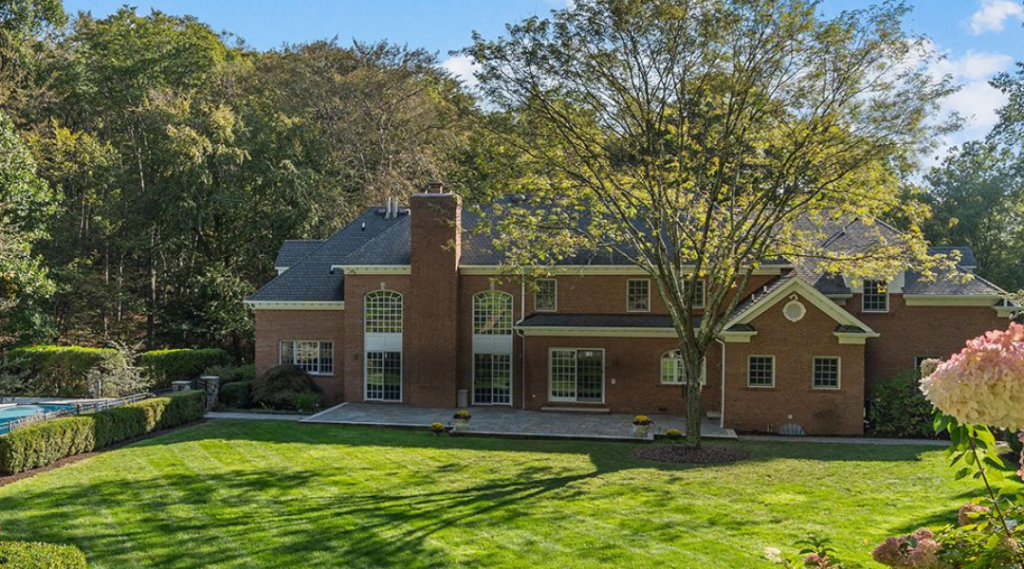
For many homeowners, the challenge is not understanding what their lawn needs instead, the challenge is keeping up with the timing. Weather shifts, work schedules get busy, and weeks pass quickly during the growing season. Before long, the lawn becomes something that does not look its best. However, having a clear lawn care plan helps keep everything on track.
A consistent, professional, maintenance schedule ensures mowing happens as necessary and correctly. Required treatments, applied only as necessary, will help your lawn receive the care it needs throughout the year.
Healthy Lawns Grow From Consistency
There is no single product or quick fix that creates a perfect lawn. Healthy lawns grow from steady care, proper timing, and attention throughout the season. When lawn care is handled regularly, and correctly, small issues are addressed before they turn into larger