
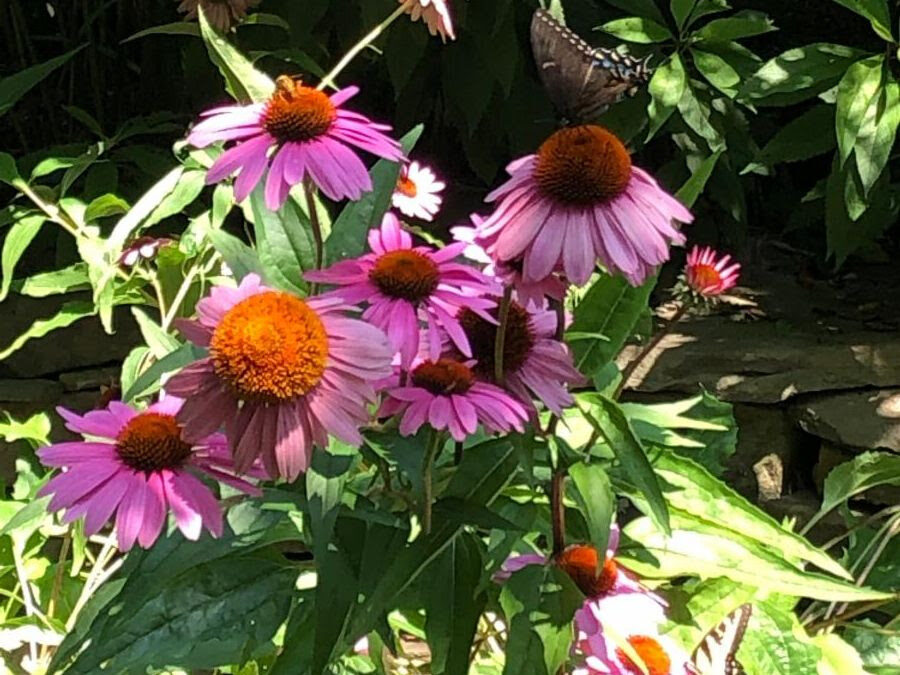
These days, you hear the phrase “environmentally friendly landscaping” everywhere but what does it actually mean? For some companies, it simply means using fewer chemicals. For others, it means planting a few native plants and calling it a day. The truth is, responsible landscaping is not about one product or one decision, it is about a way of life. It is caring for our shared earth on a consistent basis, understanding that we have limited resources, to share with one another, and that there is a need to protect these resources not only for us but for future generations as well.
When done properly, environmentally responsible landscaping protects the health of your family and your property while also respecting our shared earth. Often, the best approach is surprisingly simple.
Working With Nature, Not Against It
Nature has been managing landscapes for millions of years, long before we ever started planting gardens. Without our intervention, woodlands, grasslands and wetlands grow, soil improves, and ecosystems balance themselves. Responsible landscaping tries to follow that same idea by mimicking ‘Mother Nature’ whenever possible and when not possible, or practical, only disrupting ‘her’ sensitive balance minimally.
Instead of attempting to force plant material to survive where they do not belong, the goal is to select plant material that naturally thrives in the proposed planting area. When plants are placed in the right conditions, they require less correction later.
Healthy Soil Is the Foundation
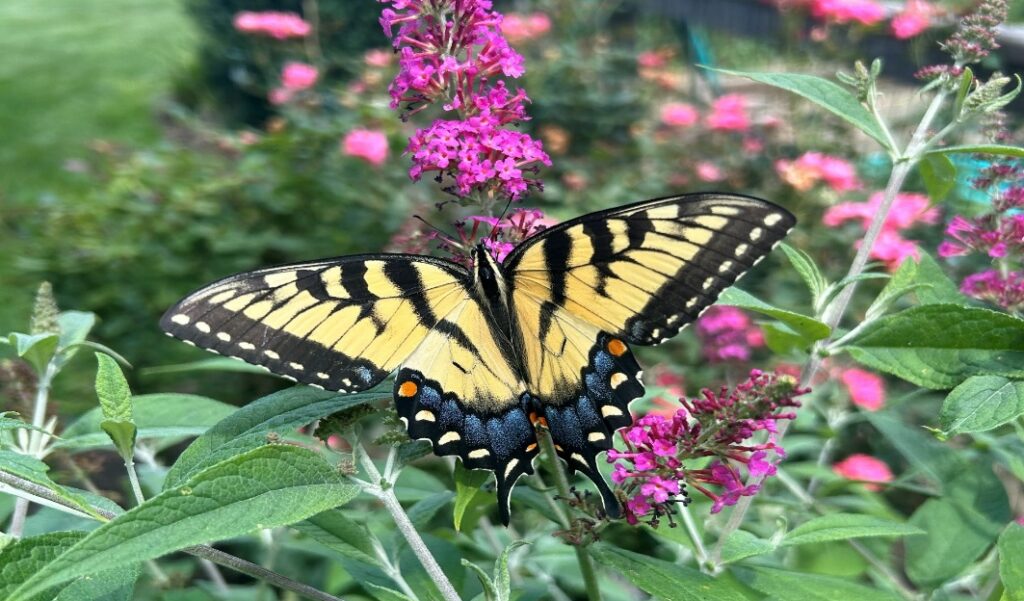
One of the most overlooked parts of landscaping is the soil itself. Healthy soil supports strong roots, holds moisture more effectively, and helps plants resist disease and pests. When soil health is ignored, landscapes often require more water, more fertilizer, more pesticides and more general intervention just to keep them alive, not necessarily thrive.
Responsible landscaping begins by improving the soil naturally through aeration, the addition of organic matter, proper mulching, judicious use of any fertilizer or pesticide as well as careful plant selection, installation, and management practices. Remember, you can’t have a great cake without a great batter. The same analogy holds true when dealing with plants, without healthy soil you cannot have a healthy plant!
Smarter Use of Water
Water management is another important piece of the puzzle. Overwatering is one of the most common mistakes in landscaping. Too much water can weaken plants, promote disease, and waste a valuable resource that is limited in quantity. If required, thoughtful irrigation design and proper plant selection can reduce water use while still maintaining a beautiful property.
Remember, established plants require far less water than people expect when they are placed in the right environment and are cared for properly.
Choosing Plants That Belong Here
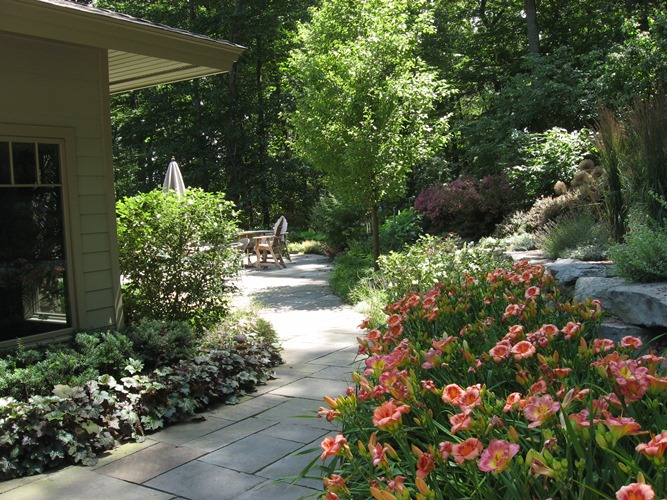
Another important part of environmentally responsible landscaping is choosing plants that are well suited to our region. Native plants and climate adapted species tend to perform better because they are already accustomed to local soil conditions, seasonal weather patterns, and regional pests. This does not mean every landscape needs to look wild or unmanaged or that you should only use native plant material. Rather, with thoughtful design, native and well adapted plants can create beautiful, structured landscapes that also support pollinators and local ecosystems, which in turn will support our food and water supply!
Thoughtful Pest and Lawn Care
Responsible landscaping also means being careful about how and when treatments are used. Professional landscapers today focus only on targeted solutions rather than blanket applications. Monitoring plant health, identifying issues early, and applying treatments only when necessary helps protect beneficial insects and reduces unnecessary environmental impact. All applications performed should only be completed by licensed applicators who have been trained to work in this manner as well as keep you and your family safe from harm.
Remember, in many cases, strong plant health is the best defense against pests and disease helping to mitigate the need for any supplemental applications.
Long-Term Care Makes the Difference
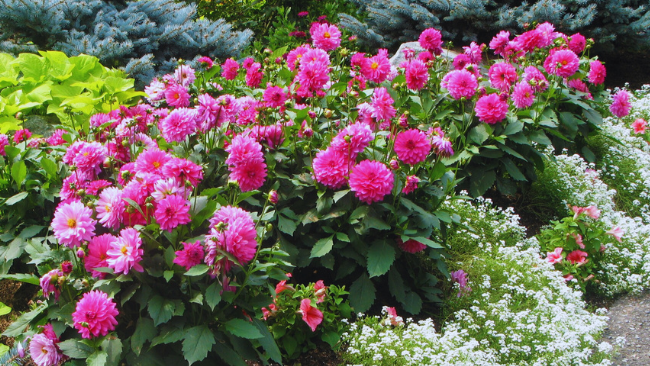
Perhaps the most important part of environmentally responsible landscaping is consistency. Landscapes that are observed and cared for regularly tend to require fewer corrections. Small problems can be addressed before they spread, and plants can be allowed to grow naturally into their space. This kind of long-term attention benefits both the property and the environment.
A well cared for landscape should do more than look good for a single season. It should continue to grow stronger year after year and support not only our needs but also the needs of the planet. By focusing on healthy soil, thoughtful plant selection, responsible treatments, and steady care, landscapes can thrive while remaining respectful of the natural environment around them along with our shared earth.
In many ways, environmentally responsible landscaping is simply about paying attention on a consistent basis. Listening to what the land needs, what it has to offer, and then working with it to create a better world for all of us.
If you’d like to talk about your lawn, plantings, or your landscape in general, feel free to reach out. We would love to be your partner of choice to help make your dream become a reality!